

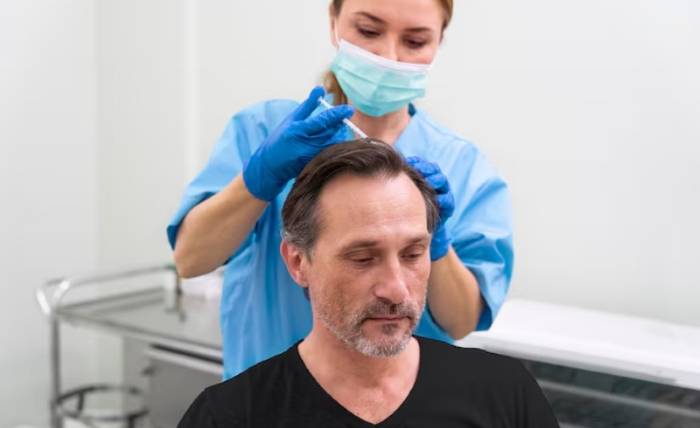
Shifts in hair thickness or surface quality rarely happen overnight. They often develop gradually, making early signs easy to overlook. Over time, weakened roots and altered texture can influence overall appearance and self-assurance. Many individuals now explore options that encourage natural renewal instead of temporary coverage. Targeted growth stimulation occurs when PRP hair loss treatment activates dormant follicles with concentrated platelets.
Restoring Follicle Vitality From Within
This approach centers on reawakening follicle activity through internal support rather than external alteration. Concentrated biological signals interact directly with the scalp environment, encouraging follicles to respond more efficiently. As responsiveness improves, roots gain stronger attachment below the surface.
With continued support, follicles tend to produce strands that appear more consistent in structure. The gradual nature of this process allows natural adjustment, avoiding abrupt changes. Strengthening begins beneath the scalp, which often leads to improvements that feel balanced and genuine.
Platelet-Rich Plasma Preparation Process
Careful preparation influences how effectively the process supports follicle response. Each step focuses on preserving concentration and purity.
Preparation steps typically involve:
- Drawing a small amount of blood
- Processing through controlled spinning
- Separating platelet-rich plasma
- Filtering out excess cellular material
- Activating regenerative signaling elements
- Preparing solution for targeted scalp use
This refined plasma contains a dense concentration of platelets. The controlled preparation process supports uniform application, helping each session deliver consistent stimulation across selected areas.
How Does Root Strength Improve?
What allows roots to regain firmness after targeted stimulation?
Platelets release growth-related signals that influence surrounding scalp tissue. These signals help reinforce the connection between follicles and their base. Over time, roots become more secure, which can limit excessive shedding and support steadier growth phases.
As anchoring improves, strands often feel more stable near the scalp. This enhanced support maintains flexibility while reducing weakness at the root level.
Changes Seen Across Hair Texture
Alterations in texture usually appear gradually rather than immediately. Initial changes may be subtle, becoming clearer with continued sessions.
Texture-related improvements often include:
- Smoother strand surfaces over time
- Reduced roughness or uneven feel
- Fuller visual appearance along lengths
- Improved internal moisture balance
- Better flexibility during handling
- Increased tolerance to daily stress
Visible texture refinement often follows when PRP hair loss treatment enhances internal scalp signaling. These developments tend to build progressively, contributing to a healthier-looking appearance without artificial effects.
Is This Approach Right For You?
Does this option align with personal hair concerns and expectations?
This method often suits individuals experiencing early thinning or diminished texture rather than complete follicle inactivity. Those seeking gradual strengthening rather than instant change may find the process more appropriate.
Outcomes vary based on existing follicle responsiveness and session consistency. Maintaining realistic expectations helps align progress with natural timelines. The emphasis remains on reinforcing current growth rather than creating sudden transformation.
Treatment Sessions And Expected Progress
Sessions are generally spaced to allow follicles sufficient time to respond between applications. Early phases may reveal slight texture improvements or reduced shedding. With ongoing sessions, changes often become more noticeable through enhanced density and strand quality.
Individual progress differs depending on scalp condition and follicle activity. Regular sessions support cumulative effects, allowing follicles to remain engaged. Patience often results in outcomes that appear more natural and lasting.
Supporting Long-Term Hair Resilience
Long-term improvement depends on sustaining follicle responsiveness and scalp balance. Continued attention to scalp condition can help maintain earlier gains. Over time, stronger roots contribute to strands that feel fuller and more resilient.
This steady reinforcement encourages lasting stability rather than temporary change. As strength and texture improve together, hair often retains a healthier appearance that feels consistent and authentic.