


Blink Camera Not Detecting Motion
Understanding Blink Cameras
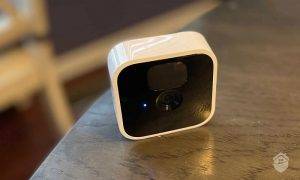
Blink cameras are known for their ease of use and reliable performance. However, they may sometimes fail to detect motion, leaving homeowners wondering about their effectiveness. In this section, we’ll dive into how Blink cameras work and the critical role motion detection plays in their functionality.
Common Reasons for Motion Detection Failure
There are various reasons why your Blink camera might not be detecting motion as it should. We’ll discuss factors like camera placement, environmental conditions, and technical issues that can affect motion detection.
Camera Placement and Angles
One of the primary reasons for Blink camera motion detection failure is improper placement and positioning. We’ll explore the best practices for camera placement and how to ensure optimal angles for motion detection.
Environmental Factors
Environmental conditions, such as glare, shadows, and extreme weather, can interfere with motion detection. We’ll discuss how to address these challenges to improve your camera’s performance.
Technical Troubleshooting
Sometimes, the issue lies within the camera’s settings or firmware. We’ll guide you through the technical aspects, including software updates, sensitivity settings, and connectivity issues, to resolve motion detection problems.
Troubleshooting and Solutions

In this section, we’ll provide a step-by-step guide on how to troubleshoot and resolve the Blink camera not detecting motion issue. We’ll cover both basic solutions and advanced troubleshooting steps.
Basic Troubleshooting Steps
We’ll start with the simplest solutions that you can try to resolve motion detection issues, including checking camera positioning and resetting your device.
Advanced Troubleshooting Steps
If basic solutions don’t work, we’ll move on to more advanced troubleshooting, which might involve adjusting settings, updating firmware, or contacting Blink’s customer support.
Preventive Measures

To ensure your Blink camera continues to detect motion effectively, we’ll discuss some preventive measures and maintenance tips to keep your system in top condition.
Alternative Solutions
In some cases, you may need alternative solutions, such as adding extra lighting or integrating your Blink camera with other devices for improved motion detection.
FAQs:
1. Why is my Blink camera not detecting motion at night?
Nighttime motion detection can be tricky due to reduced lighting. Try adjusting sensitivity settings or adding extra lighting to improve performance.
2. Can extreme weather affect motion detection?
Yes, extreme weather conditions can interfere with motion detection. Ensure your camera is well-protected or consider using an outdoor housing accessory.
3. Why does my Blink camera detect motion when there’s none?
False alarms can occur due to changing light conditions or even small animals. Adjust sensitivity settings and ensure proper placement to minimize false alerts.
4. How often should I update my Blink camera’s firmware?
It’s recommended to keep your camera’s firmware up to date to ensure optimal performance. Check for updates every few months or as advised by Blink.
5. Can I connect my Blink camera to other smart devices for enhanced motion detection?
Yes, you can integrate your Blink camera with compatible devices like smart lights or sensors to improve motion detection and security.
In this comprehensive guide, we’ve addressed the frustrating issue of your Blink camera not detecting motion and provided insights into its causes and solutions. Whether it’s a simple adjustment or a more in-depth troubleshooting process, we hope you’ve found the information you need to restore your camera’s performance and ensure your home’s security. Remember that maintaining proper camera placement, staying updated on firmware, and understanding the impact of environmental factors are key to a reliable Blink camera motion detection system. Don’t let this issue compromise your home security – follow our guide to keep your Blink camera working at its best.