

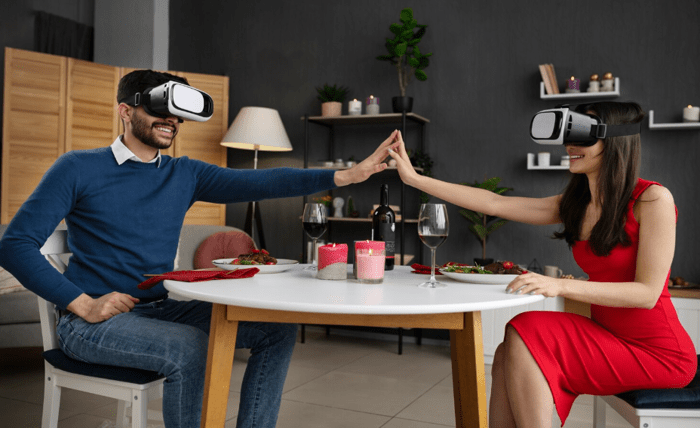
Technology is no longer a separate field reserved for specialists; it is a cultural infrastructure shaping how people work, socialize, learn and relax. Devices, apps and platforms form a dynamic ecosystem that influences habits, expectations and identity. Innovation is not driven solely by technical capability, but by how seamlessly new systems fit into human behavior.
Design that adapts to users, not the opposite
Modern technology succeeds when it reduces friction. Tools that demand tutorials, constant maintenance or hidden settings are rejected, regardless of how advanced they are. Users value clarity, reliability and meaningful features.
This shift has accelerated human-centered design, where products evolve according to real-world usage patterns. Instead of dumping complex features on consumers, companies simplify processes, automate tasks and anticipate needs. What matters is not how powerful a technology is, but how effortlessly it integrates into daily routines.
Digital leisure and micro-interactions
Technology is increasingly used for short cycles of entertainment and relaxation. People don’t always want long sessions of focused attention; they want quick, meaningful relief from stress or repetition. That explains the popularity of casual apps, streaming clips, mini-games and low-commitment platforms.
A portion of users turns to digital entertainment platforms such as https://nl-amonbets.org/, using short sessions as a mental break between work tasks, commutes or study blocks. It is not just escape, but a micro-reset mechanism that fits into fragmented schedules. In this model, leisure is personalized, flexible and responsive to emotional state.
Technology companies that understand this behavior design experiences that are modular, lightweight and available on demand – not overwhelming systems that require planning and commitment.
Personalization as a core technological value
The digital environment has shifted from broadcast communication to individual tailoring. Algorithms, user profiles and behavioral analytics adapt interfaces to each individual. This personalization increases satisfaction, but also sets expectations: users want relevance without effort.
In practice, personalization drives five major trends:
interfaces that change based on context;
curated feeds built from behavioral patterns;
adaptive recommendations that accelerate decision-making;
dynamic difficulty in games and applications;
proactive notification control.
The risk is that personalization becomes invisible manipulation rather than supportive adaptation. Truly effective systems provide agency, not control.
Automation and cognitive offloading
Technology increasingly replaces repetitive thinking and manual tasks. Autofill, predictive text, smart home routines and automated workflows reduce cognitive load and free time for creative or strategic tasks.
Automation does not exist to make humans passive. It exists to eliminate friction. The most valuable systems remove redundant decisions, not meaningful ones. The challenge is designing automation that supports autonomy rather than replacing judgment.
Security as a trust mechanism
As digital systems expand, so do threats. Cybersecurity is no longer a technical category, but a trust category. Users expect invisible, automated protection that does not interrupt tasks or demand technical literacy.
Essential principles for modern systems include:
default encryption;
transparent permissions;
minimal data collection;
continuous monitoring;
identity authentication without friction.
Security must be integrated, not bolted on – because digital trust is the foundation of digital adoption.
Ecosystems over products
Products no longer stand alone. Users build interconnected systems spanning mobile, desktop, home and cloud environments. Companies that focus on isolated hardware or services lose competitiveness against ecosystems that deliver seamless continuity.
The highest-value innovations are those that:
unify multiple contexts;
synchronize data effortlessly;
minimize cognitive effort;
adapt to shared workflows.
Technology becomes infrastructure when it is invisible – when it enables rather than demands attention.
Conclusion: meaningful innovation is behavioral innovation
The future of technology will not be determined only by processing power, sensors or platforms, but by how well systems serve human needs. Solutions that respect attention, time and emotional bandwidth create lasting value.
Innovation must therefore shift from complexity to clarity, from features to usefulness, from disruption to integration.
The companies that succeed will not be the ones who chase novelty, but those who understand that technology is a tool for life – and life is shaped by behavior.