

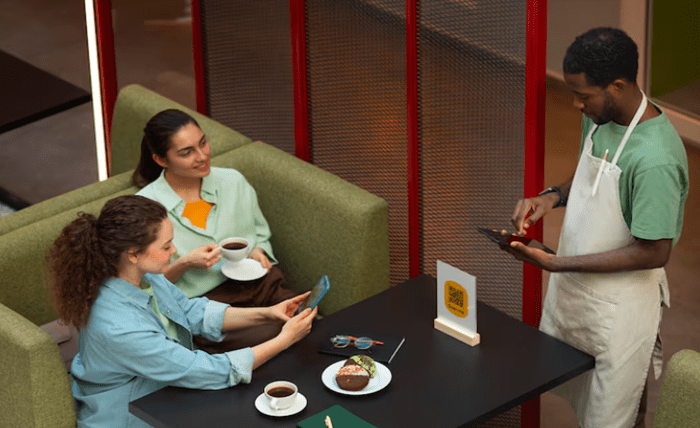
A restaurant owner must be able to create and deliver delicious meals in today’s competitive business environment. The atmosphere of the restaurant is a primary way patrons engage with it, aside from the cuisine. It can be challenging to stand out in terms of décor when there are hundreds of restaurants, cafes, and other establishments lining every street in the world.
Customers are typically less willing to pay, even though visual elements like lighting, colour, and music have a significant impact on their emotions. Furniture, on the other hand, is a material item that often makes money.
According to a study by the Rochester Institute of Technology called “Interior Design in Restaurants as a Factor Influencing Customer Satisfaction,” the most critical component of interior design that affects both overall customer satisfaction and willingness to pay more is restaurant furniture.
The final design of business facilities, such as restaurants, is ultimately determined by the style and comfort of your furnishings. If it’s well accepted, it dramatically increases your foot traffic, reviews, and turnover rates.
Learn how vital your restaurant’s furnishings are to your patrons with this brief introduction, and you can get started on creating the restaurant of your dreams right away.
ARRANGMENT
Your restaurant chairs design should be carefully considered before it is put together. This suggests that to optimise consumer pleasure and revenue, your design strategy for the space arrangement should be thoroughly thought out. Although it’s rarely the first thing patrons note in a positive review, a restaurant’s layout has a significant impact on their overall experience. It is widely recognised as a component of interior design.
Customers frequently desire large, light-filled spaces. The ambience of your room should be cosy without being overly stuffy or cluttered. According to an article, maintaining adequate traffic flow is essential for a satisfactory customer experience. Customers and restaurant employees should proceed in a single line. For example, entering from the parking lot is far less exciting than entering from the middle atrium. Customers need to see the kitchen, the facilities, the stairway that leads to the upper level, the beginning, and a flavour of your atmosphere.
LODGING
The length of time a consumer chooses to stay depends on their situation. For example, high-end restaurants frequently offer private dining rooms to boost revenue and increase patronage. In contrast, fast food restaurants such as McDonald’s use plastic or metal seats.
Finding the ideal balance while selecting the type of seat could be difficult. Customers might linger longer and take up more space if the seats were more comfortable. However, if it is uncomfortable, the customer can choose not to return to your restaurant.
The concept for your restaurant should be decided so that you can focus on the types of seats you want to use. Metal and plastic chairs are frequently used in quick-serve restaurants due to their ease of cleaning. Wood is traditional and timeless because it complements a wide range of interior design motifs. It is utilised in family-friendly and moderately priced restaurants.
TABLEWEAR
Just as the restaurant motif affects the seating, it also affects the dinnerware. Due to their elegant and appealing appearance, granite and wood tables are commonly found in fine dining establishments. Regretfully, they also require more extraordinary care.
For quick-service and fast-food outlets, less expensive options include tables covered in laminate or made of melamine. They are safe for kids, strong, and simple to clean.
FINAL RESULTS
To maximise customer satisfaction and increase revenue, restaurant furniture is crucial. Now that you have an easy-to-follow guide to the basics, it’s time to take your company to the next level.