

Choosing Your Mount Rinjani Trekking Adventure
So, you’re thinking about tackling Mount Rinjani? Awesome choice! But before you start dreaming of those epic summit sunrises, you gotta figure out which mount Rinjani trekking tour is actually going to work for you. It’s not a one-size-fits-all kind of deal, you know? There are different routes, and some are definitely more chill than others. Think about how much time you’ve actually got and, be honest, what your legs can handle. Are you aiming for the absolute peak, or is a stunning view from the crater rim enough? We’ll break down the most popular ways to experience this incredible volcano so you can pick the adventure that’s just right.
Getting Ready for Your Rinjani Expedition
Getting yourself ready for Mount Rinjani is a big deal, no doubt about it. This isn’t just a casual stroll; it’s a proper mountain climb, and you’ll want to be prepared. Think about your fitness first. You’ll be doing a lot of uphill, and some of that is on pretty loose stuff, especially if you’re aiming for the summit. So, getting your legs and your lungs in shape beforehand is a really good idea. Lots of cardio, like running or cycling, and exercises that build up your leg muscles, like squats and lunges, will make a huge difference. Don’t forget to practice hiking on hills if you can; it really helps you get a feel for uneven ground. When it comes to gear, you need to pack smart. The weather can change fast up there, and it gets cold, like, really cold, at the higher elevations. So, layers are your best friend. You’ll want sturdy hiking boots that are already broken in – trust me, blisters are the worst. Pack warm socks, gloves, and a hat. A good waterproof jacket and pants are also a must, just in case. For your backpack, aim for something comfortable that can hold your essentials, maybe around 20 to 30 liters. You’ll need a headlamp for those early morning starts or if you’re hiking in the dark. Trekking poles can be a lifesaver on the steep descents, saving your knees a lot of grief. And don’t skimp on water; bring a reusable bottle and plan to carry at least two liters. Sunscreen and sunglasses are important too, even when it’s cloudy, because the sun is strong at altitude. A small personal first-aid kit is always a good idea, just for any little scrapes or headaches. And pack some snacks – energy bars or trail mix will be your best friend when you need a quick boost.
The Gateway Villages: Senaru and Sembalun
So, you’re planning to tackle Mount Rinjani, huh? Awesome choice! Before you even think about lacing up your boots, you gotta know about the two main jumping-off points: Senaru and Sembalun. They’re like the bookends of your Rinjani adventure, and picking the right one sets the whole tone for your trip.
Senaru: Waterfalls and Lush Beginnings
If you’re the type who loves getting lost in green, Senaru is probably your jam. This village sits on the northern side of Rinjani, and it’s all about the jungle vibes. Think thick, tropical rainforests that feel super alive. As you start your trek from here, you’ll be surrounded by all sorts of plants and trees, and the air is usually pretty humid. It’s also the place to be if you want to check out some seriously cool waterfalls before you even hit the mountain trails. Seriously, some of these falls are massive and totally worth the detour. The path from Senaru tends to be a bit steeper and more direct, taking you through dense forest for a good chunk of the way. It’s a bit more challenging right out of the gate, but the scenery is just incredible, like stepping into another world.
Sembalun: Savannah Views and Summit Aspirations
Now, Sembalun is a whole different ballgame. Located on the eastern side of Rinjani, this place feels more open and airy. Instead of dense jungle, you’re greeted with wide-open savannah landscapes. It’s got this dry, grassy feel, especially during the dry season, and the views stretch for miles. The trek starting from Sembalun is generally considered a bit easier on the legs at the beginning because the incline is more gradual. You’ll be trekking through these rolling hills and open fields, which is pretty unique. It feels less enclosed than Senaru, giving you a real sense of the mountain’s scale. Many people choose Sembalun if their main goal is to reach the summit, as it’s often seen as the more direct route to the top, with a slightly less intense initial climb.
Getting to Rinjani: Your Transport Options
Alright, so you’ve picked your starting village, but how do you actually get there? Most people fly into Lombok International Airport (LOP). From there, you’ve got a few choices. You can hire a private car or taxi, which is the most convenient but also the priciest. It’ll take you a few hours to get to either Senaru or Sembalun, depending on which one you’re heading to. Another option is to take a shared minivan or a public bus, which is way cheaper but takes longer and involves more transfers. You might need to go through Mataram or other towns to catch the right transport. If you’re coming from Bali, you can also take a ferry to Lombok, which is a longer journey but a more budget-friendly way to travel. Once you’re on Lombok, just make sure your driver knows whether you’re headed to Senaru or Sembalun – they’re not exactly next door to each other!
What to Expect on the Trail
So, what’s it actually like out there on the trail? Well, it’s a bit of a mixed bag, honestly. You’ll start off in these lovely grassy areas, especially around Sembalun, which feels pretty chill. But don’t get too comfortable, because things change fast. You’ll be climbing through different sections, sometimes called ‘Pos’ or positions, and by the second or third one, you’ll definitely be feeling it. The sweat will be pouring, and you might even start questioning your life choices, especially if the weather turns. I remember one day it just started raining buckets, and my poncho was about as useful as a paper bag in a hurricane. You just have to embrace getting soaked.
Breathtaking Crater Rim Vistas
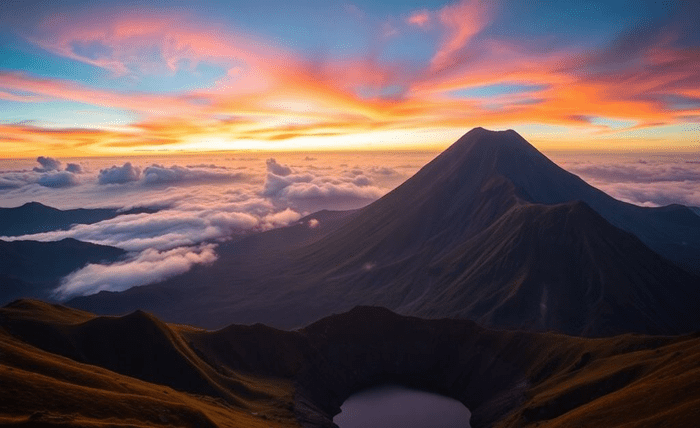
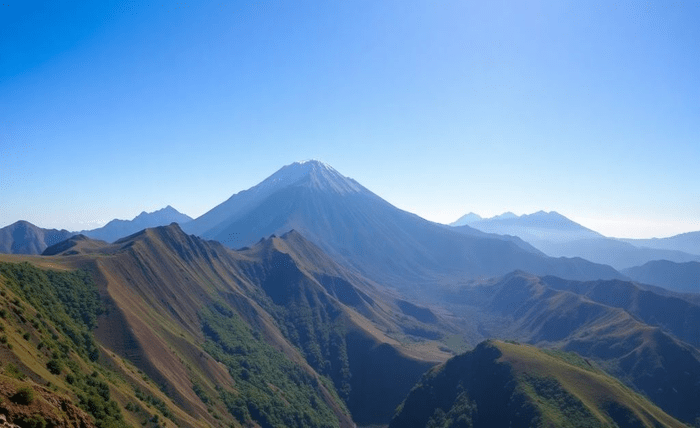
Once you get up to the crater rim, especially if the clouds decide to part, the views are just unreal. You can see the whole caldera, the lake down below, and even the summit you’re aiming for. It’s the kind of scenery that makes you forget how much your legs ache. We saw the summit for the first time from the camp, and it was just this massive, imposing thing. It really hits you then, what you’re actually trying to climb.
Segara Anak Lake and Soothing Hot Springs
Getting down to Segara Anak lake is a whole other ballgame. It’s basically a scramble down a rocky slope, and your knees will absolutely feel it. But the payoff is worth it. The lake itself is this stunning blue, and right there are the hot springs. After hours of hiking, sitting in those hot springs is pure bliss. It’s like your muscles just sigh with relief. We had lunch by the lake, and as the clouds cleared, the whole place looked incredible. It’s a really unique spot with the lake, the rocks, and the hot springs all together.
The Epic Sunrise Summit Experience
This is the part everyone talks about, and for good reason. You’ll be up before the crack of dawn, like 2 or 3 am, to make the final push to the summit. It’s dark, it’s cold, and you’re just following a line of headlamps. The climb itself is tough, mostly loose volcanic scree, so you’re slipping and sliding. But when you finally get to the top, and the sun starts to rise… wow. It’s a moment you won’t forget. Seeing the world light up from that high up, with the clouds below you, is just incredible. Just make sure you’re not too early, or you’ll be freezing your backside off in the dark!
The Role of Your Mountain Crew
You absolutely cannot trek Mount Rinjani without a guide, and honestly, you wouldn’t want to. These local folks know this mountain like the back of their hand. They’re not just there to point you in the right direction and make sure the trip goes off without a hitch; they’re also your personal cheerleaders, pushing you to keep going when your legs feel like jelly and your brain is screaming ‘stop’. My own guide was a lifesaver; we basically became buddies by day two. I don’t think I would have made it to the top without his constant encouragement.
Then there are the porters. These guys are the real MVPs. Even if you could carry all your own stuff, you’d be crazy not to let them handle it. Imagine lugging tents, food, and all your gear for days up a volcano. These porters do it like it’s a walk in the park, often in flip-flops, with huge loads on their backs, sometimes even smoking a cigarette. It’s humbling, to say the least, when you’re struggling and they’re just cruising past, singing a tune. They’re absolute legends, and honestly, the reason I’d book a tour again just to have their support.
Responsible Trekking on Mount Rinjani
When you’re planning your mount Rinjani trekking adventure, it’s super important to think about how we can all help keep this amazing place beautiful. Mount Rinjani is more than just a mountain; it’s a special place for the local Sasak people and a home for lots of plants and animals. So, when you’re thinking about your Mount Rinjani Hike, remember that being a responsible trekker is part of the deal. This means being mindful of the environment and the local culture. We want to make sure that climbing Mount Rinjani leaves a positive impact, not a negative one. Choosing a good rinjani trekking agency that cares about these things is a big step. They often have programs to help the local community and clean up the mountain. It’s not just about reaching the Rinjani summit guide; it’s about the journey and respecting the place you’re visiting. Think about the ‘Leave No Trace’ principles – pack out everything you pack in, stay on the trails, and don’t disturb the wildlife. It’s a team effort to preserve the Rinjani volcano hike for everyone, now and in the future. Your mount rinjani tour should be memorable for all the right reasons, and that includes being a good guest on the mountain.
When to Conquer Mount Rinjani
Deciding when to tackle Mount Rinjani is a big deal, and honestly, it can make or break your trip. You really want to aim for the dry season if you can. That’s generally from April through to about November. During these months, the weather is way more predictable, meaning clearer skies and less chance of getting soaked. Plus, the trails are in better shape, which makes the whole climb a lot more pleasant, especially if you’re aiming for that epic summit sunrise. Trying to do it during the rainy season, which usually hits from December to March, is a whole different story. The park actually closes for a good chunk of that time because the trails get super muddy and can be pretty dangerous. It’s just not worth the risk, trust me. If you’re thinking about going during the peak months, like July and August, expect more people. It’s popular for a reason, but booking your trek well in advance is a smart move to make sure you get the guide and dates you want. So, pick your timing wisely, and you’ll have a much better shot at a fantastic Rinjani experience.
So, Are You Ready for Rinjani?
Alright, so you’ve made it through the whole guide. Hopefully, you’re feeling a lot more prepared to tackle Mount Rinjani. It’s a big climb, no doubt about it, and it’s going to push you. But honestly, the views from the top and the whole experience? Totally worth it. Just remember to pack smart, listen to your guides, and take it all in. You’ve got this. Now go make some epic memories on Lombok!